2024-10-28
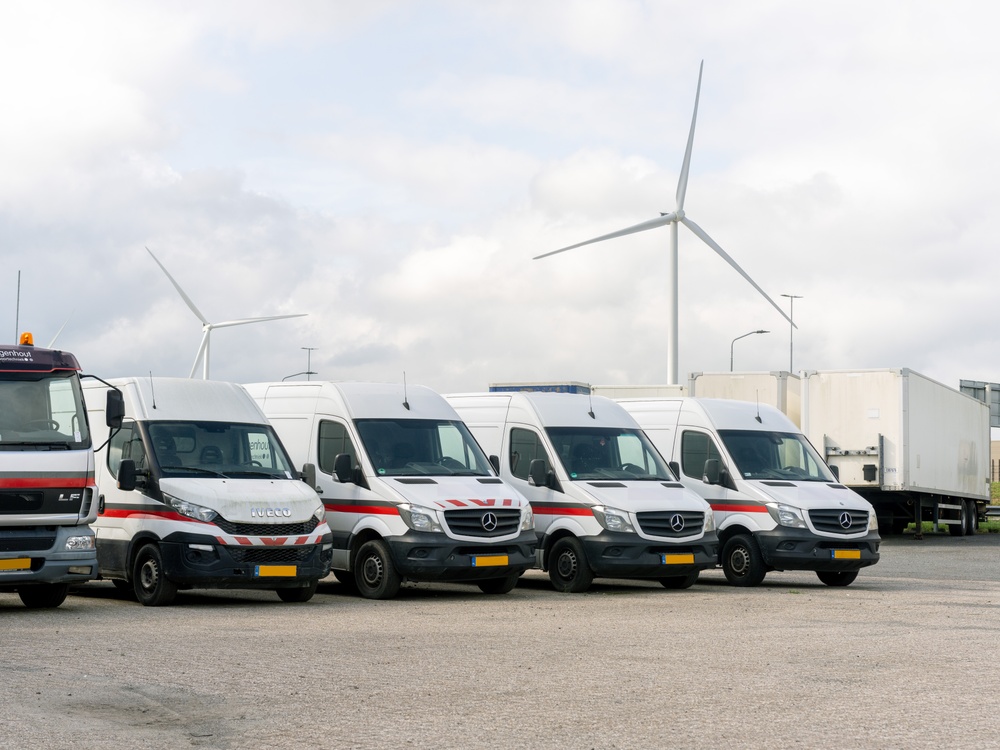
Eastern Europe Emerging as an Alternative Market for Logistics Assets
-
Bankruptcies in the sector are rising significantly this year.
-
Demand for warehousing does not hold up after COVID-19.
-
Stricter environmental regulations regarding Euro standards drive sales to Eastern Europe.
In the first three quarters of this year, the number of entrepreneurs leaving the Dutch transport and logistics sector has already exceeded that of the entire year 2023. This is evident from figures by Troostwijk Auctions, which also notes a growing percentage of bankruptcies in this sector. The auction platform sees that entrepreneurs in this sector are struggling. This is partly due to a reduced demand for warehousing from retailers and stricter environmental legislation. Moreover, entrepreneurs are increasingly opting for digital auctions to sell their fleets and other logistics assets.
On Troostwijk’s platform, curators have already auctioned assets for 37 transport and logistics companies due to bankruptcy this year. The auction platform expects at least 11 more by the end of the year, bringing the total number of bankruptcies in 2024 to around 48. This represents a 60 percent increase compared to a year ago. Additionally, 20 entrepreneurs have auctioned on the platform this year for voluntary reasons such as retirement or lack of prospects.
Excessive Stock and Bankrupt Retailers
The increase in business closures in the transport sector indicates that the industry is facing tough times. “During COVID-19, companies built up higher inventories to be less vulnerable, and transporters expanded their warehousing,” says Mattijs Kuiper, account manager Transport & Logistics at Troostwijk Auctions. “Now that this development turns out not to be permanent, part of the demand disappears. Moreover, the number of bankruptcies in retail is increasing, further reducing orders. As a result, some entrepreneurs are struggling.”
Stricter Environmental Regulations
Another contributing factor is Dutch environmental legislation that imposes sustainability requirements. “Dutch entrepreneurs are required to make their fleets more sustainable, which is a difficult task, especially for medium-sized organizations,” says Kuiper, who observes that many diesel vehicles are heading to Eastern Europe. “The platform offers a large market throughout Europe. In countries where regulations are less strict, these assets get a second life, replacing even more polluting vehicles currently in use. In this way, we help entrepreneurs across Europe align their fleets with their country’s emission standards.”
Romania as a Hotspot
Driven by nearshoring—outsourcing work to organizations in nearby countries—Romania proves to be an attractive market. After Belgium, most bidders on Troostwijk’s platform come from the Eastern European country, followed by Germany. “Romania has a strategic location close to key markets: the EU, the CIS countries, and the Middle East. It is the trade route between Europe and Asia. Furthermore, since the war in Ukraine, many transport movements have shifted to the region, making Romania even more attractive as a transit hub.”
Traders See Opportunities
Apart from entrepreneurs exiting the sector, more and more traders are active on Troostwijk’s auction platform. They adopt a multichannel sales strategy, with their primary focus shifting from regional showrooms to online platforms like Troostwijk. “Traders can tap into a large digital network across Europe and beyond. The platform averages 4 million visits per month with buyers from 175 countries.”